Gearing-up at the ICES Annual Science Conference

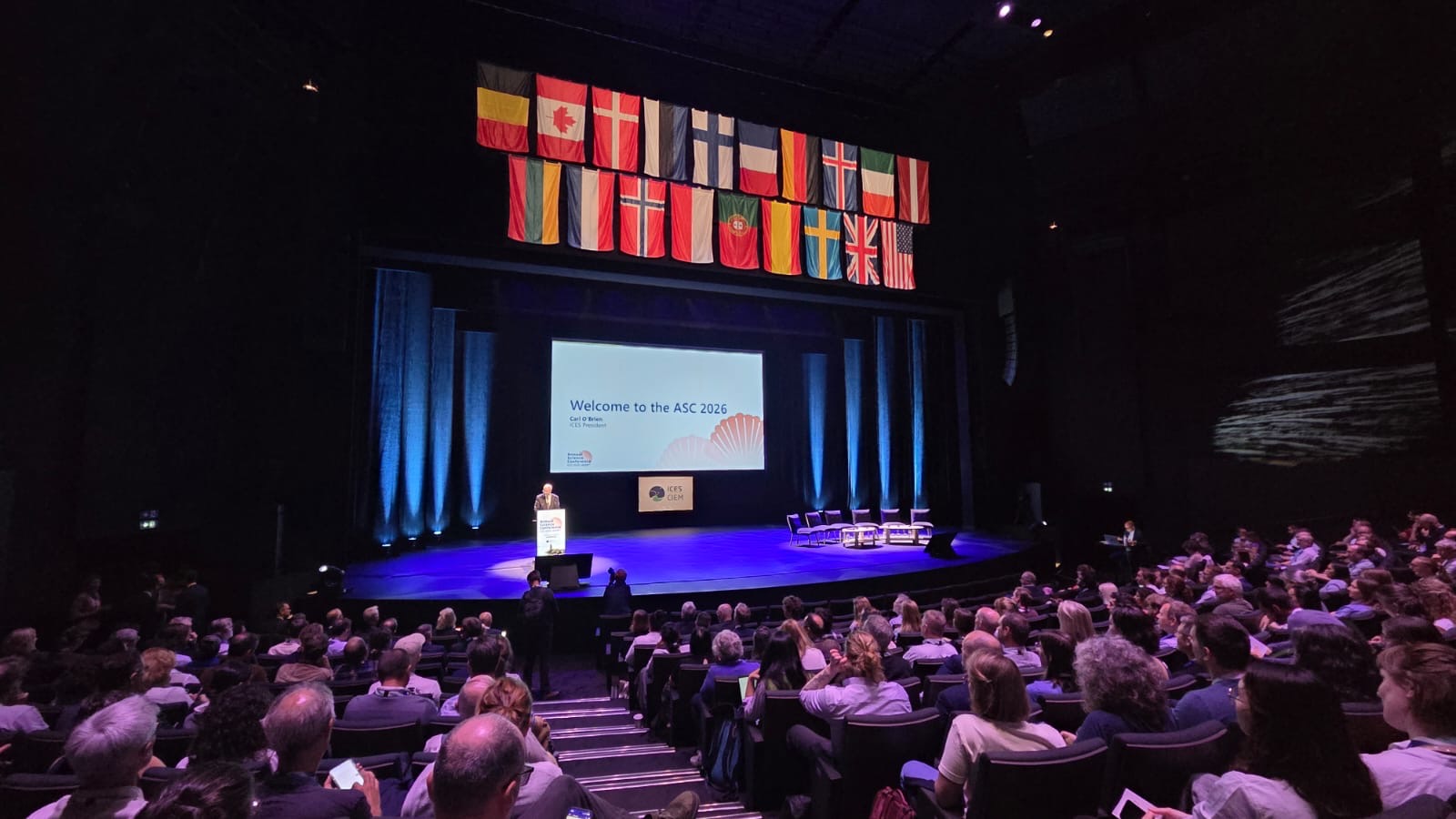
On 15-18 September 2026, several of the ECO-CATCH team attended the ICES Annual Science Conference in Brest, France.

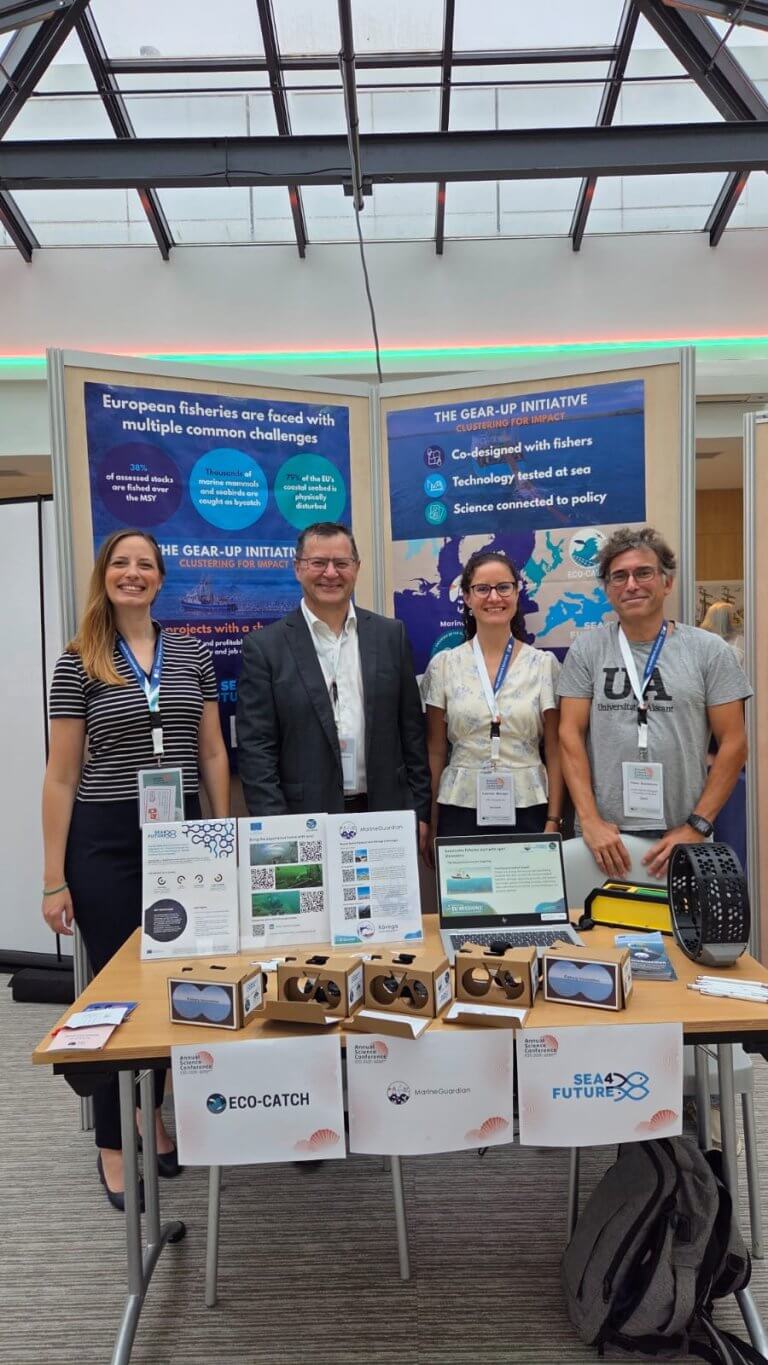
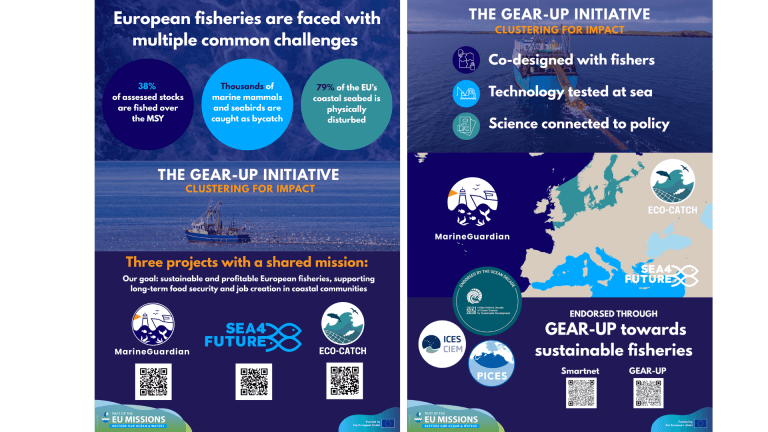
ECO-CATCH attended alongside our sister projects SEA4Future and Marine Guardian, joining forces to showcase our shared commitment to making fisheries more sustainable through innovative solutions for bycatch reduction. Together, the three projects make up the TRIAD, a collaboration at the heart of the GEAR-UP (Gear Up Towards Sustainable Fisheries) initiative, officially recognised as a UN Ocean Decade Action. GEAR-UP aims to accelerate innovative, climate-resilient fishing solutions that reduce bycatch and protect sensitive marine species.

Over the four days, the TRIAD team shared more about their collective and project specific work at their joint booth. Attendees were able to get hands-on with gear, talk to the experts about their work and even immerse themselves by trying our virtual reality goggles, to get a first-hand, 360-degree perspective from inside some of the innovative gears being developed.
“One of the greatest strengths of collaborating closely with our sister projects is the opportunity to learn from each other and amplify our collective impact. While each project addresses the specific challenges and needs of different sea basins, the ideas, technologies and innovations we develop should not stop at geographical boundaries. Through GEAR-UP, we want to foster the exchange of knowledge and solutions across basins, accelerating innovation and making sure that progress in one region can inspire and benefit fisheries elsewhere.” Valentina Melli, ECO-CATCH Project Coordinator.

Many of the team were also selected to present their work as part of Theme Session D – Bycatch Reduction Technologies, which ECO-CATCH co-convened. The session focused on the road to uptake of new solutions and the political, economic, social and technical factors that need to be considered, with presentations from:

  • Tim Taege from Thünen Institute, who presented one of ECO-CATCH solutions: the KingGrid, which is currently undergoing the final refinements for uptake in the brown shrimp beam trawl fishery, where it showed a 80% reduction if juvenile gadoids like whiting.
  • Sandra Ougier from the Marine Stewardship Council, shared her work on ECO-CATCH where she is exploring how bycatch reduction technologies (BRTs) can impact certification and sustainability ranking assessments.
  • Martin Pastoors, who presented case study work from our sister project CIBBRiNA, the learnings from which are being used to guide the development of ECO-CATCH solutions.
  • Daniel Stepputtis from Thünen Institute of Baltic Sea Fisheries who discussed the political barriers to implementing a new gear into legislation.

“We need to consider end-users from the outset through effective and iterative co-design processes so that industry needs are not only considered but met.” Julia Calderwood, Marine Beacon Project and Chair of the ICES Working Group on Innovative Gears.

We use third-party cookies to personalise content and analyse site traffic.

Learn more