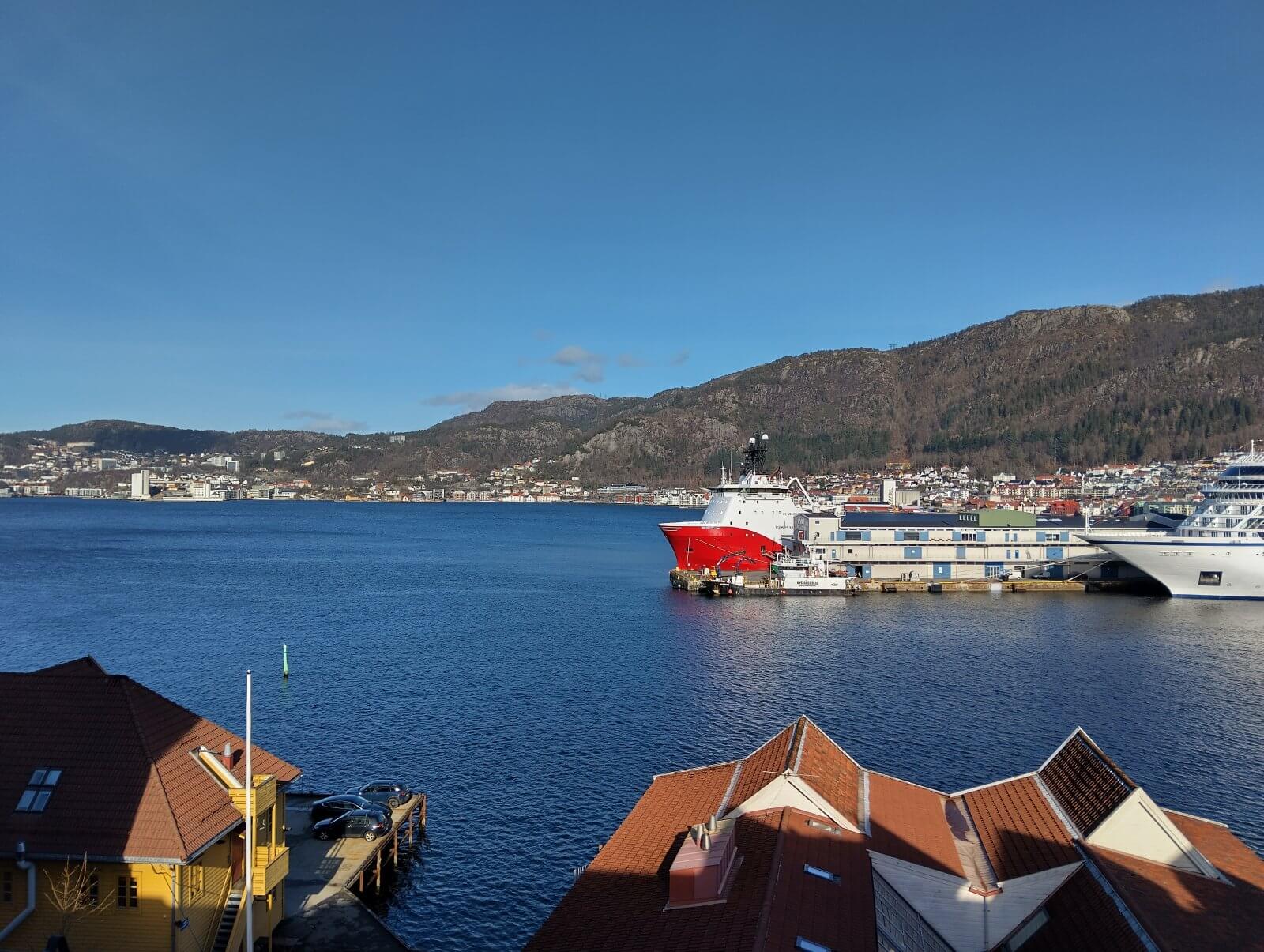
The ECO-CATCH consortium is made up of people from a wide range of organisations and backgrounds, this team includes some talented students, joining the project as part of their undergraduate, masters or postdoctoral studies. One of them is Luka, a 24 year old marine biology student from Belgium. Luka is contributing to ECO-CATCH as part of an internship at the Institute of Marine Research (IMR) in Bergen, Norway. Get to know Luka, his background and his involvement in ECO-CATCH to date.
What is your scientific background?
I have always been mesmerised by marine life and it was an easy decision for me to study marine biology at University. Throughout my degree I thoroughly enjoyed taking part in field courses, for example I had the opportunity to research the effects of climate change on copepods for my bachelor’s thesis and volunteer with the Bottlenose Dolphin Research Institute (BDRI). After obtaining my bachelor’s degree I started my masters in marine and lacustrine (oceans and lakes) science and management with a major in ecology. As this was an inter-university programme – studying through University Brussels (VUB), Ghent University and University of Antwerp – I had the opportunity to learn from a range of scientists and departments. I was able to tailor the programme to my interests and put a focus on field-based work. Alongside my masters, I also worked on a study of invasive crayfish species in Flemish rivers.
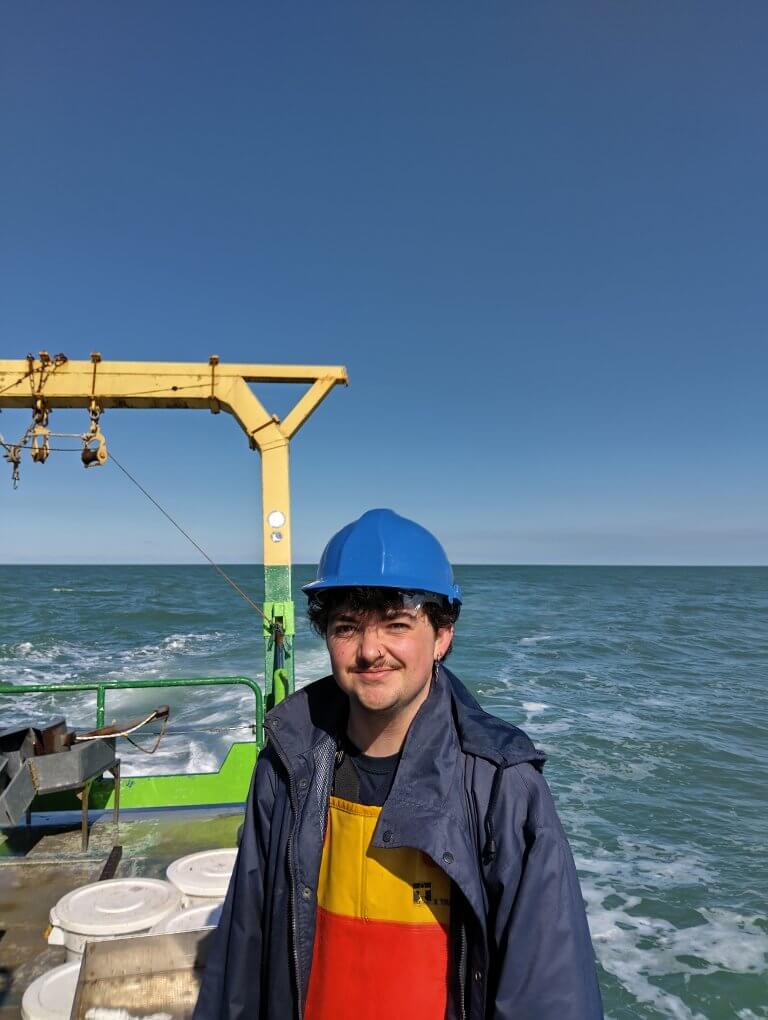
What are you working on currently in your masters and how did you get involved in ECO-CATCH?
I am currently working on my masters thesis all about how mussel aquaculture affects macrobenthos in the North Sea by looking at changes in the biodiversity. Part of my masters involves completing an internship and for mine I really wanted to learn more about fish and the biologist’s role in fisheries, which is how I ended up at the demersal fish group at the Institute of Marine Research (IMR) in Norway.
What have you been involved with so far in the ECO-CATCH project?
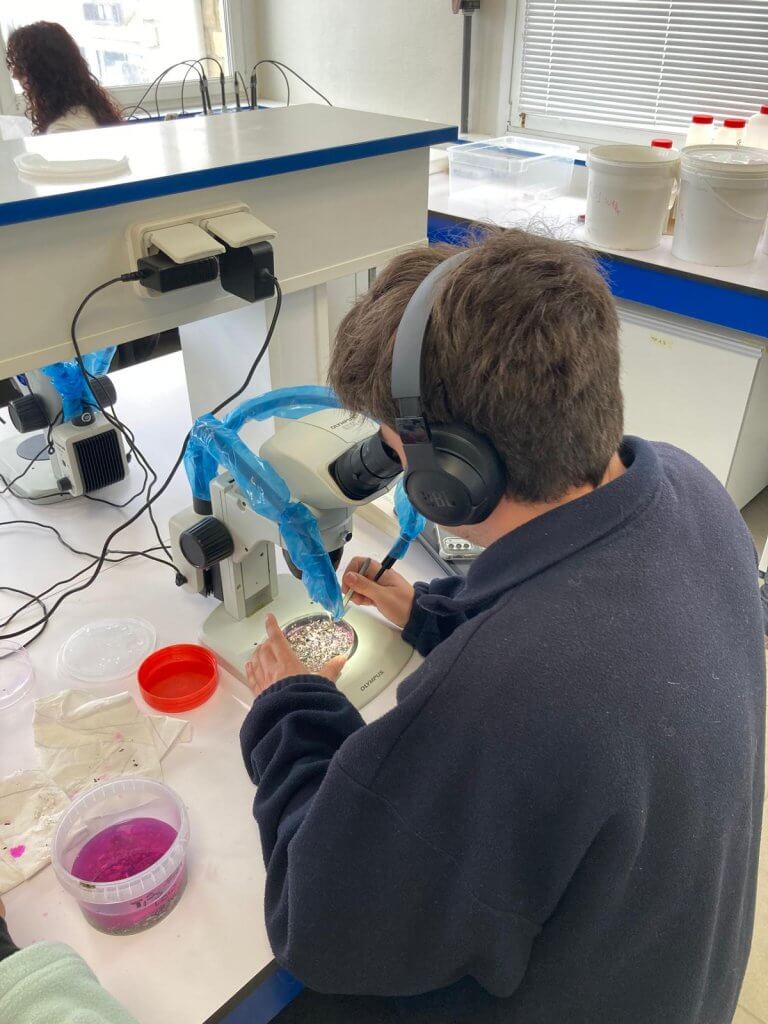
I have been working on the mapping of sensitive habitats and species, namely collecting and combining data from existing maps and databases. I firstly collected data on the distribution of marine species, where they are laying their eggs (spawning) and spatial extent of juvenile fish. We are also collecting data on environmental factors, such as temperature, oxygen saturation and sea floor characteristics throughout different periods of the year. We are then combining and mapping this data using software such as QGIS and R to allow us to identify correlations between where species are and the characteristics of the habitat in those areas.
By improving our understanding of priority habitats and areas for juvenile species, ECO-CATCH will identify effective ways to reduce bycatch of sensitive and juvenile species, and alleviate fishing pressure at certain periods of the year.
Do you have any highlights from your time working on ECO-CATCH?
My internship has given me the opportunity to travel to Norway. Working there in a new environment, with people of different backgrounds and in another institution has been an invaluable learning experience for me – while providing the added bonus of being amongst beautiful nature! I have also attended the ECO-CATCH annual meeting in Belgium, where I was able to meet many of the people involved in the project and learn a lot from their experience and stories.
How do you think your work in ECO-CATCH will help reduce bycatch and achieve more sustainable fisheries in the Baltic and North Seas?
I think the fact that so many institutions and organisations are involved is key to the success of the project, it makes it significantly easier to connect scientists and organisations with the right data, and aid effective collaboration. As a result, new ideas are being developed and strengthened due to the number of different perspectives of people working on fisheries. The people involved are very passionate and enthusiastic to work on the cause that we do, and this gives me a lot of hope for the future.
Contact us:
info@eco-catch.eu
Follow us: